Field
Current Work
Robert Rauschenberg Foundation 2026 Archives Residency Fellow
Conducting research on Rauschenberg in Asia; impact, philanthropy, and lasting legacies beyond ROCI
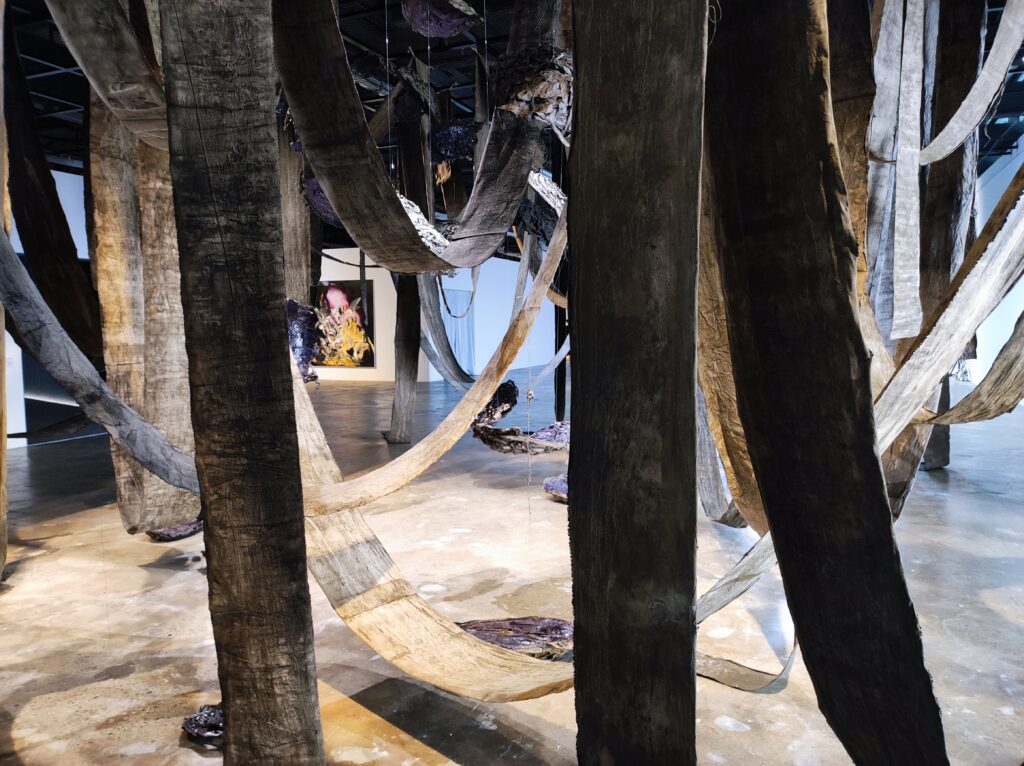
The Routledge Companion to Art Biennials
Trauma, Memory, and Art: Preserving the Spirit of Gwangju through the Biennials
Current Research
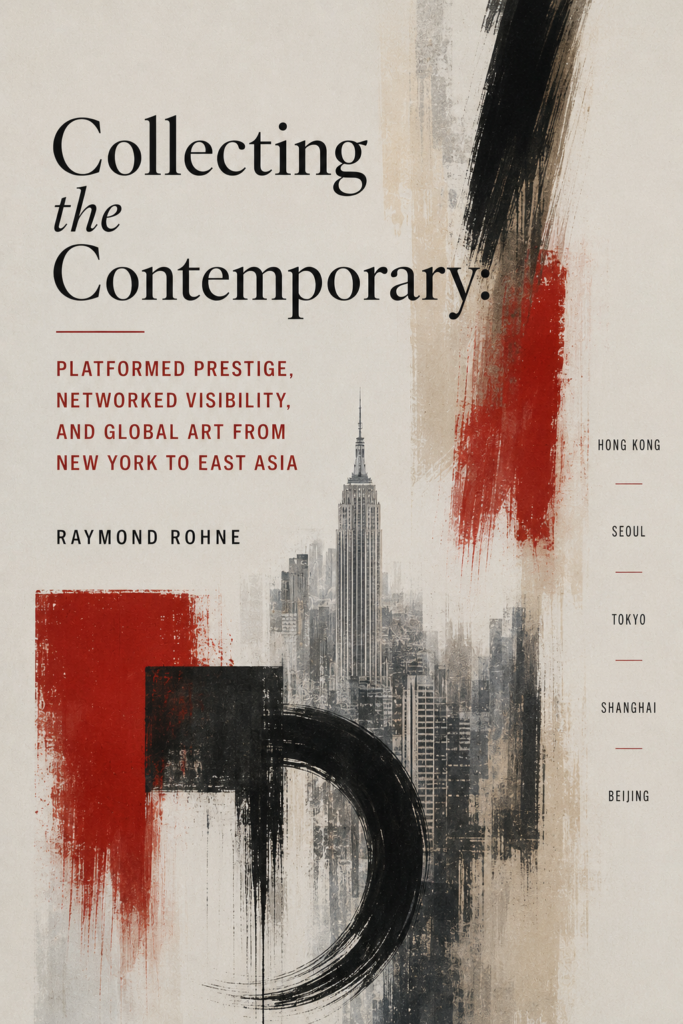
Book manuscript in development.
Structured from doctoral ethnographic research conducted at HKUST, coupled with cultural analytics, this work examines how contemporary art collectors in East Asia navigate global art markets through digital platforms, networked prestige, and transnational visibility.
Field
Hong Kong
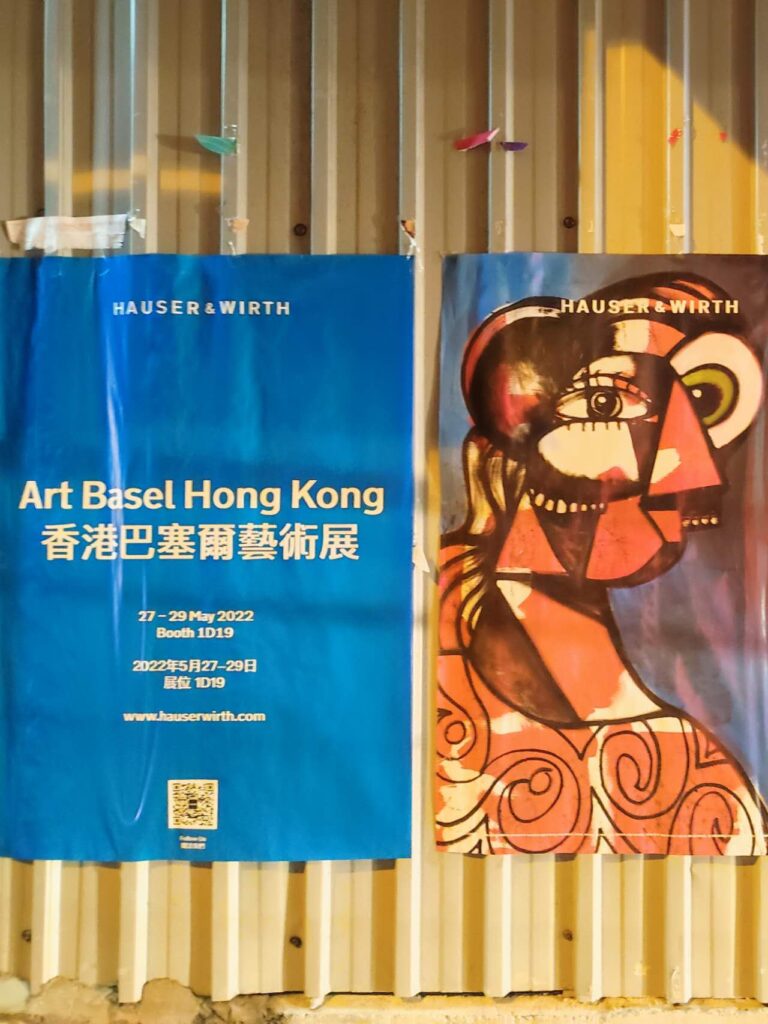
Research in Hong Kong examined the city’s role as a pivotal node within the global contemporary art market, with particular emphasis on collectors, patronage, and cultural exchange. Conducted over seven years, this longitudinal ethnographic study explored the evolving relationship between local and international audiences through sustained engagement with Art Basel Hong Kong, Art Central, and ComplexCon’s inaugural Asian edition. Particular attention was paid to collector demographics, market trends, and the increasing circulation of Western contemporary art within Asian markets.
Research included extensive observation of auction practices at leading international and regional auction houses, alongside fieldwork at institutions such as the Centre for Heritage, Arts and Textile (CHAT) and the Jockey Club Creative Arts Centre (JCCAC). Through interviews and ongoing engagement with collectors, gallerists, dealers, and cultural professionals, this research documented the complex ways in which Hong Kong has functioned as a gateway between East and West during a period of profound social, political, and economic transformation.
Mainland China
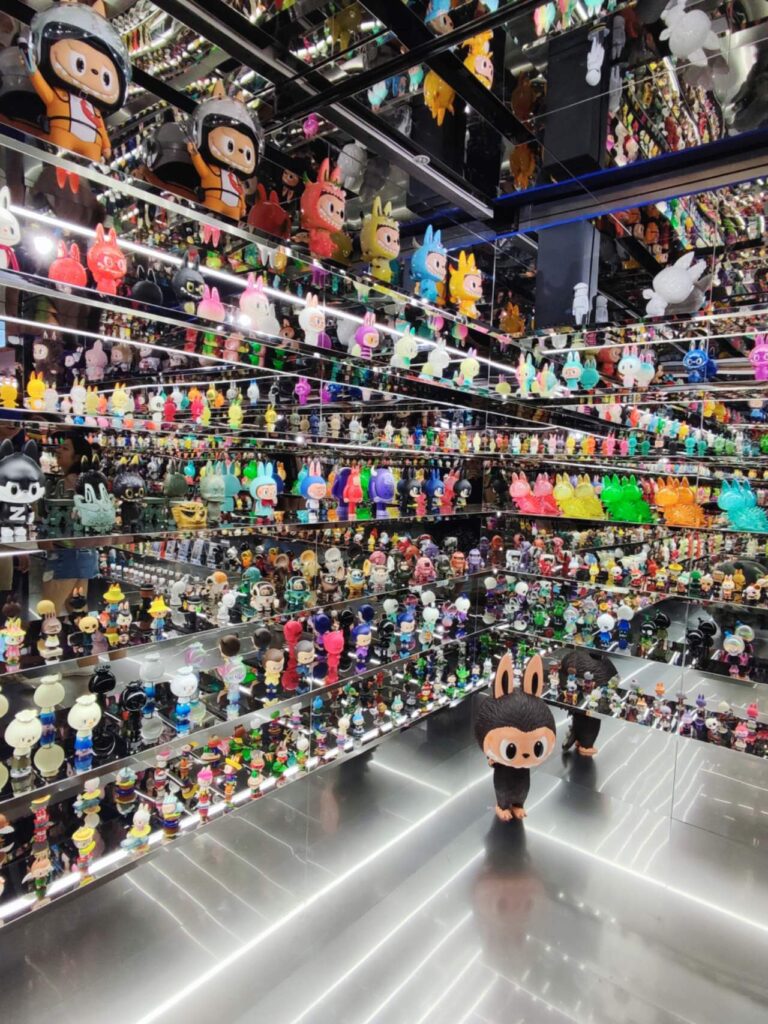
Fieldwork conducted across Beijing, Wuhan, and Shanghai explored the rapidly evolving landscape of contemporary art collecting, patronage, and cultural production in Mainland China. Through interviews with artists, curators, collectors, museum founders, and market professionals, the research examined how private patronage has shaped the development of contemporary art alongside state-supported institutions. Participant observation at major auctions provided insight into collector demographics, bidding practices, and the mechanisms through which cultural and financial value are assigned to works of art.
Research at private museums, artist studios, and emerging cultural districts—including K11 Artist Village in Wuhan—revealed the growing influence of private collectors in shaping public cultural life. Comparative analysis of institutions such as the Power Station of Art in Shanghai further illuminated the dynamic relationship between state initiatives and private collecting in the production, exhibition, and circulation of contemporary art throughout China.
Korea
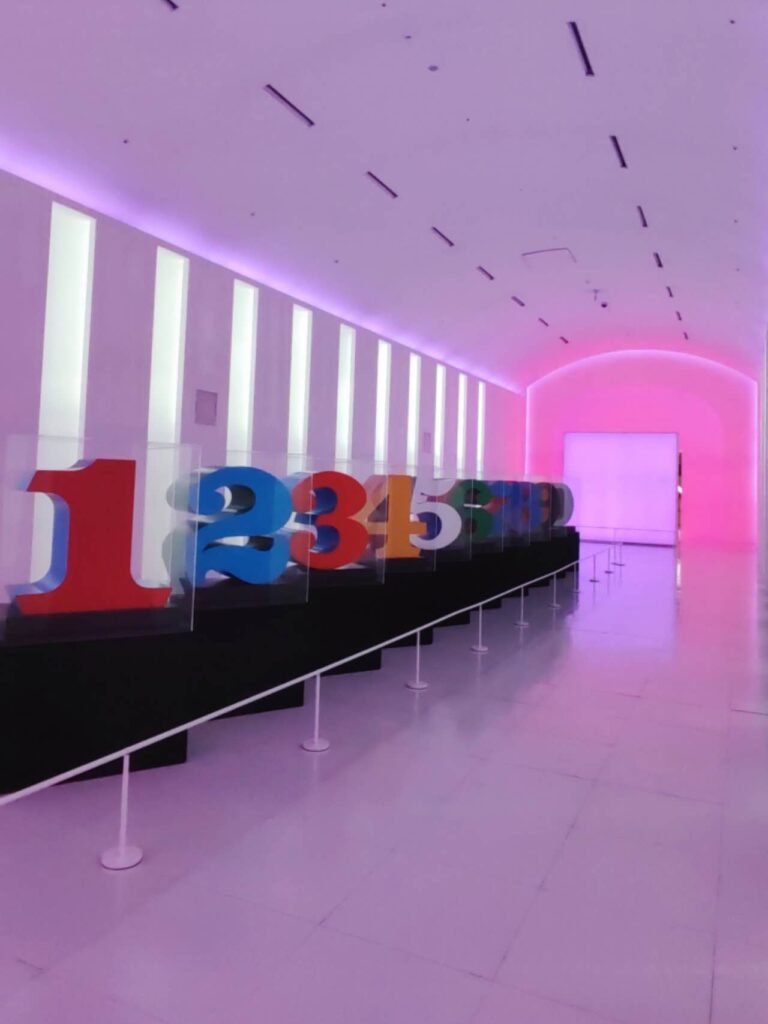
Research in South Korea examined the intersections of contemporary art, historical memory, and collecting practices across multiple institutional and social contexts. In Gwangju, fieldwork focused on the relationship between the Gwangju Biennale and the enduring legacy of the 1980 Gwangju Democratization Movement. Through interviews with artists, curators, commissioners, and local residents, the research explored how contemporary exhibitions engage with collective memory, civic identity, and questions of social justice. Particular attention was given to the ways in which historical narratives influence both institutional programming and the reception of contemporary art.
Complementing this work, research in Seoul, Incheon, and Gwacheon investigated the emergence and development of private contemporary art museums and significant private collections. Through site visits, interviews, and archival research, this project documented the motivations, strategies, and cultural impact of collectors and museum founders. The resulting research contributed to a broader understanding of South Korea’s rapidly expanding contemporary art ecosystem and its growing influence within regional and global cultural networks.
Japan
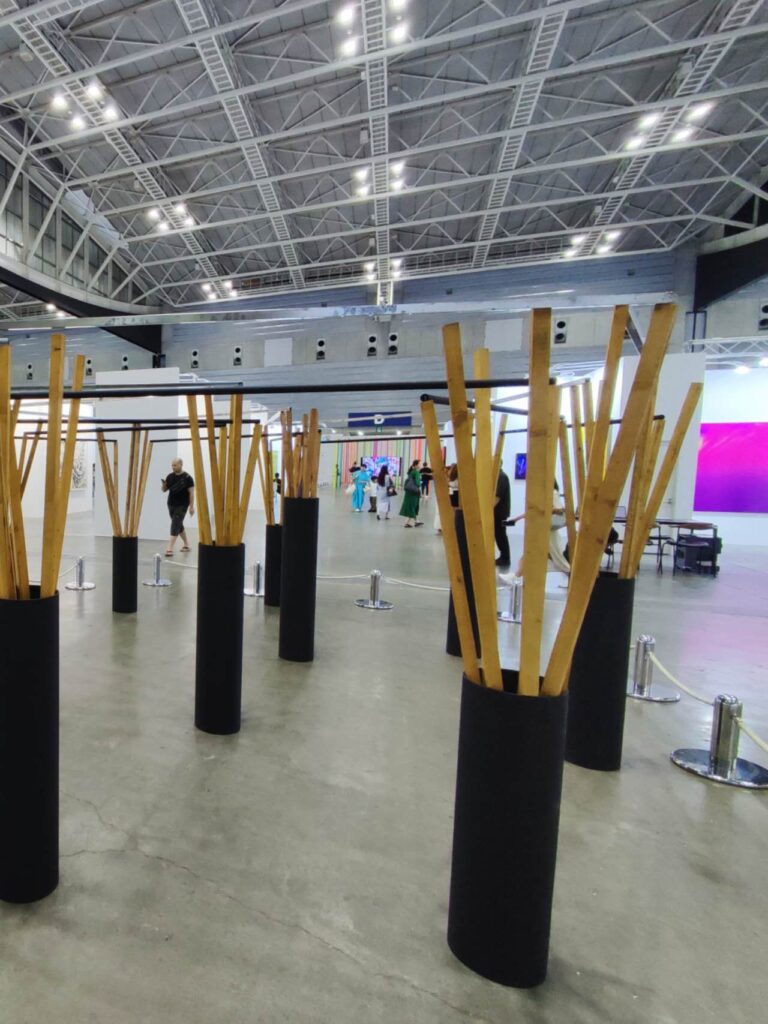
Field research in Japan examined the transformation of one of Asia’s most distinctive contemporary art markets through a long-term study of collecting practices, market development, and cultural consumption. Particular attention was paid to the evolution of SBI Auction and its role within Japan’s changing art ecosystem, providing insight into broader shifts in economic conditions, collector behavior, and market confidence over time.
The research explored how collectors from different generations engage with both traditional Japanese aesthetics and contemporary forms of visual culture, including anime, manga, and otaku-related collecting practices. Through sustained engagement with collectors, market professionals, and cultural stakeholders, the project investigated how family structures, generational change, and localized subcultures influence patterns of collecting and patronage. These findings contribute to a broader understanding of how cultural identity, private collecting, and market transformation intersect within Japan’s contemporary art landscape.
Switzerland & Germany
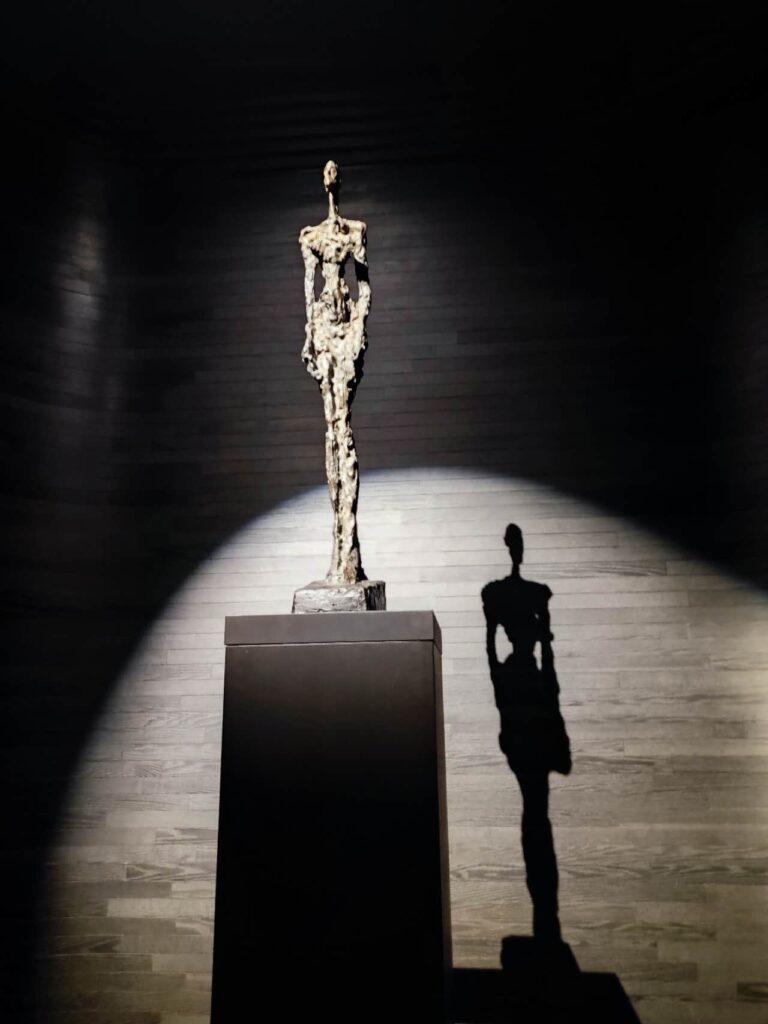
Research conducted across Basel, Zürich, and Weil am Rhein examined the roles of collecting, philanthropy, and cultural stewardship within the European art world. Through case studies of influential collectors Ernst Beyeler and Uli Sigg, this work explored how private patronage shapes museum development, public access to culture, and the preservation of artistic heritage. Fieldwork included interviews with gallerists, collectors, and art professionals during Art Basel and its surrounding satellite fairs, alongside comparative analysis of market dynamics between Europe and Asia.
Archival research at the Graphische Sammlung ETH Zürich provided historical context for contemporary collecting practices, while sustained observation of institutions throughout the Basel region revealed the interconnected relationship between museums, fairs, galleries, and collectors. Research at the Vitra Design Museum further examined how corporate collections and architectural programs can serve educational and public-facing functions. Together, these investigations highlighted the significant influence of collectors in shaping both cultural institutions and broader narratives within the global art market.